Frequently Asked Questions: BCBS Therapy Reimbursement Rates
How Much Does Blue Cross Blue Shield Pay for Therapy in 2026?
The answer depends on three variables: the CPT code you bill, your state/BCBS affiliate, and whether you are in-network. BCBS does not publish a single national fee schedule — each of its 34 independent affiliate companies negotiates rates separately. The estimates below reflect 2026 averages from provider contract data and Medicare-relative value calculations. For the official Medicare reference rate used as a baseline, see the CMS Physician Fee Schedule lookup tool.
BCBS CPT 90837 Reimbursement Rate: 60-Minute Therapy Sessions
CPT 90837 — psychotherapy, 60 minutes — is the most commonly billed mental health code and the one with the widest reimbursement variance across BCBS affiliates. It is the benchmark code most providers track when evaluating whether a BCBS contract is worth accepting. For a full breakdown of behavioral health billing strategies, see our guide on behavioral health billing codes.
2026 National Range for CPT 90837 (In-Network)
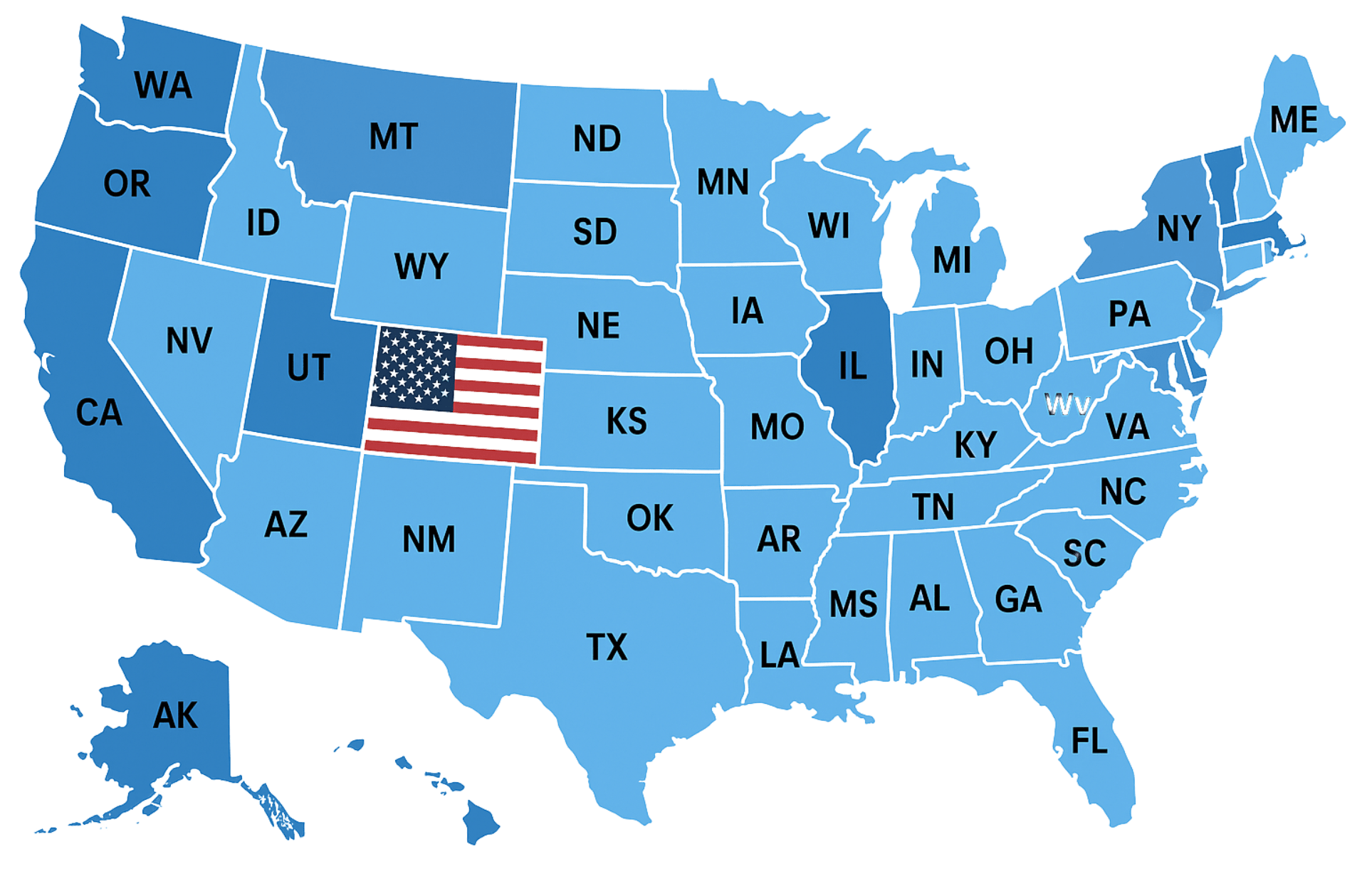
$88 – $165High-rate states (CA, NY, MA, AK, HI) reach $115–$165. Lower-rate rural states (ID, MT, WY, ND, SD) fall in the $82–$98 range. Your contract rate is negotiable — providers with high panel demand or specialty credentials often secure rates above the affiliate average.
What Affects Your CPT 90837 Rate With BCBS?
- BCBS affiliate: BCBS of California, BCBS of Texas, and Empire BCBS (New York) have different fee schedules — they are separate companies
- Provider credentials: Psychiatrists typically receive higher rates than LCSWs or LPCs for the same code
- Network status: In-network rates are negotiated; out-of-network reimbursement is lower and varies by plan
- Plan type: PPO plans generally reimburse higher than HMO plans for the same CPT code
- Contract negotiations: Unlike Medicare, BCBS rates are negotiable — especially for high-volume or specialty providers
- BlueCard program: Patients with out-of-state BCBS cards are processed through the BlueCard program, which applies the local affiliate’s rates
BCBS in 2026: Key Numbers for Mental Health Providers
The decentralized structure of BCBS is the most important thing for therapists to understand. You are not dealing with one company — you are dealing with 34 separate insurers that share a brand and a BlueCard network. A rate you negotiate with BCBS of Illinois has nothing to do with the rate BCBS of Florida will offer. Credentialing with one affiliate does not credential you with another. See our full guide on credentialing for mental health providers for a payer-by-payer breakdown.
Blue Cross Blue Shield Mental Health Reimbursement Rates by State (CPT 90837, 2026)
The table below shows estimated in-network and out-of-network reimbursement for CPT 90837 (60-minute individual psychotherapy) by state. These are 2026 estimates based on BCBS affiliate data and should be used for planning purposes only — verify your exact rate in your contract.
| State | In-Network Rate | Out-of-Network Rate | Notes |
|---|---|---|---|
| Alabama | $88–$98 | $72–$88 | Regional variance; urban areas slightly higher. |
| Alaska | $115–$130 | $95–$115 | Premium rates due to provider scarcity. |
| Arizona | $105–$120 | $85–$105 | Phoenix metro rates remain competitive. |
| Arkansas | $82–$92 | $68–$82 | Lower rural rates; urban centers differ. |
| California | $105–$125 | $85–$105 | High variance; SF/LA command top rates. |
| Colorado | $98–$108 | $78–$98 | Denver area sees steady rates. |
| Connecticut | $108–$118 | $88–$108 | Strong urban rates; rural areas dip slightly. |
| Delaware | $92–$102 | $72–$92 | Statewide consistency observed. |
| Florida | $98–$108 | $78–$98 | Miami/Orlando markets lead in reimbursement. |
| Georgia | $88–$98 | $72–$88 | Metro Atlanta outpaces rural regions. |
| Hawaii | $120–$130 | $100–$120 | Provider shortages drive higher rates. |
| Idaho | $78–$88 | $62–$78 | Rural focus keeps averages lower. |
| Illinois | $105–$115 | $85–$105 | Chicago rates elevate the state average. |
| Indiana | $88–$98 | $72–$88 | Stable rates across most counties. |
| Iowa | $82–$92 | $68–$82 | Urban centers reimburse better than rural. |
| Kansas | $78–$88 | $62–$78 | Regional differences are notable. |
| Kentucky | $82–$92 | $68–$82 | Consistent statewide averages. |
| Louisiana | $88–$98 | $72–$88 | New Orleans market drives rates up. |
| Maine | $92–$102 | $72–$92 | Steady rates throughout the state. |
| Maryland | $105–$115 | $85–$105 | Proximity to DC influences higher rates. |
| Massachusetts | $115–$125 | $95–$115 | Boston area rates among the highest nationally. |
| Michigan | $98–$108 | $78–$98 | Detroit metro sees better reimbursement. |
| Minnesota | $92–$102 | $72–$92 | Consistency across most regions. |
| Mississippi | $82–$92 | $68–$82 | Generally lower rates statewide. |
| Missouri | $88–$98 | $72–$88 | St. Louis/KC areas pull up average. |
| Montana | $78–$88 | $62–$78 | Rural nature impacts rate structures. |
| Nebraska | $82–$92 | $68–$82 | Urban centers offer better rates. |
| Nevada | $92–$102 | $72–$92 | Vegas/Reno stabilize state averages. |
| New Hampshire | $98–$108 | $78–$98 | Southern tier rates align with Mass. |
| New Jersey | $108–$118 | $88–$108 | NYC proximity boosts reimbursement. |
| New Mexico | $88–$98 | $72–$88 | Albuquerque/Santa Fe differ from rural. |
| New York | $115–$125 | $95–$115 | NYC rates skew state average high. |
| North Carolina | $92–$102 | $72–$92 | Consistent rates generally observed. |
| North Dakota | $78–$88 | $62–$78 | Rural market; limited provider network. |
| Ohio | $88–$98 | $72–$88 | Columbus/Cleveland/Cincinnati lead. |
| Oklahoma | $82–$92 | $68–$82 | Stable rates statewide. |
| Oregon | $105–$115 | $85–$105 | Portland metro commands higher fees. |
| Pennsylvania | $98–$108 | $78–$98 | Philly/Pittsburgh drive averages up. |
| Rhode Island | $92–$102 | $72–$92 | Small state with consistent pricing. |
| South Carolina | $88–$98 | $72–$88 | Coastal areas may see slight bump. |
| South Dakota | $78–$88 | $62–$78 | Primarily rural rate structure. |
| Tennessee | $88–$98 | $72–$88 | Nashville healthcare hub influence. |
| Texas | $95–$110 | $75–$95 | Dallas/Austin/Houston metros highest. |
| Utah | $88–$98 | $72–$88 | Salt Lake corridor rates standard. |
| Vermont | $98–$108 | $78–$98 | Limited providers keep rates stable. |
| Virginia | $98–$108 | $78–$98 | NoVA rates align with DC metro. |
| Washington | $105–$115 | $85–$105 | Seattle drives strong reimbursement. |
| West Virginia | $82–$92 | $68–$82 | Challenges with rural provider networks. |
| Wisconsin | $92–$102 | $72–$92 | Madison/Milwaukee lead the state. |
| Wyoming | $82–$92 | $68–$82 | Stable rates in a smaller market. |
How BCBS Therapy Reimbursement Works: Step by Step
From session to payment, every dollar follows the same path. Understanding this flow helps you spot where denials happen and where to intervene.
Verify coverage, deductible, copay, and auth requirements before the first session.
Provide therapy. Document diagnosis (ICD-10), CPT code, duration, and clinical notes.
Submit electronically via clearinghouse with correct CPT, ICD-10, and modifiers.
BCBS reviews for accuracy, medical necessity, and plan compliance. 30–45 day window.
BCBS remits payment and issues an EOB. Patient receives their cost-sharing notice.
Factors That Influence BCBS Therapy Reimbursement Rates
🗺️ Geographic Location
Urban markets with high cost of living — NYC, SF, Boston, Seattle — consistently pay more than rural markets. BCBS of California operates differently from BCBS of Wyoming.
📋 BCBS Plan Type
PPO plans generally pay more due to network flexibility. HMOs restrict choice and often pay less. EPOs and POS plans sit in between. Always check the patient’s plan before assuming coverage.
🤝 Contract Status
In-network contracts lock in a rate — but that rate is negotiable, especially for high-demand specialties or high-volume practices. Out-of-network providers receive lower payment with greater uncertainty.
⏱️ Session Length & CPT Code
Longer sessions and more complex codes (90839 crisis, 90791 diagnostic eval) yield higher reimbursement. Billing 90837 instead of 90834 when the session exceeds 53 minutes is both accurate and better compensated.
⚖️ Mental Health Parity Laws
MHPAEA requires BCBS plans to cover mental health at parity with medical benefits. State parity laws may add additional protections. Filing parity complaints can sometimes recover denied benefits.
📊 Provider Credentials
Psychiatrists (MD/DO) receive higher rates than psychologists (PhD/PsyD), who receive more than LCSWs or LPCs for identical CPT codes. Credentials matter at contract negotiation time.
Telehealth and BCBS Reimbursement in 2026
Telehealth therapy remains widely reimbursed by BCBS in 2026, with most affiliates maintaining parity with in-person rates. However, policies still vary — confirm with your specific affiliate before assuming parity applies.
Correct Modifier Coding for BCBS Telehealth
- Modifier 95 — synchronous real-time audio/video telehealth (most common)
- Modifier GT — interactive audio and video telecommunications (some BCBS affiliates still require this)
- Modifier FQ — audio-only telehealth where applicable (state-specific)
- Document: duration, delivery method (“via HIPAA-compliant video platform”), and clinical content
- Verify state parity laws — some states mandate full telehealth reimbursement parity by law
BCBS Plan Types and How They Affect Therapy Coverage
| Plan Type | Network Flexibility | Therapy Coverage | Cost Considerations |
|---|---|---|---|
| PPO | High | In-network + partial out-of-network therapy | Higher premiums; lower in-network cost-sharing |
| HMO | Restricted | In-network only; referral often required | Lower premiums; lower out-of-pocket |
| EPO | In-network only | In-network; typically no referral needed | No out-of-network benefit at all |
| POS | Moderate | PCP referral required; some out-of-network options | Mid-range premiums; OON costs more |
| HDHP | Varies | Coverage kicks in post-deductible; HSA eligible | Low premiums, high deductible |
| Medicare Advantage | Network-based | Covers outpatient therapy and psychiatry | Plan-specific cost-sharing |
| Medicaid Plans | Network-based | Comprehensive behavioral health benefits | Minimal or no cost-sharing for eligible members |
Need Help Getting Credentialed with BCBS?
Knowing the rates is step one. Getting credentialed with the right BCBS affiliates — and negotiating a contract that reflects your value — is where the money is actually made. Our team handles BCBS credentialing across all 50 states.